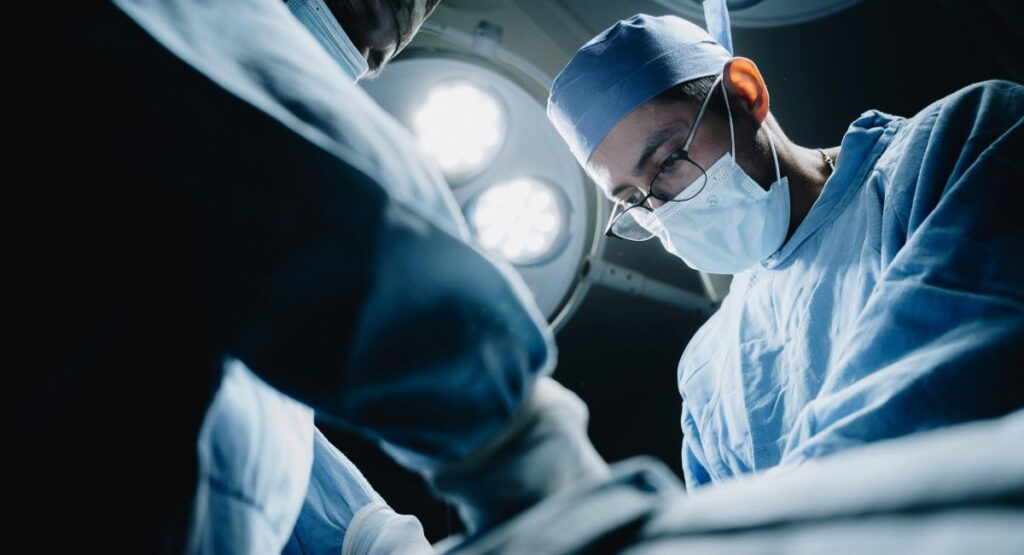
Developing a new medical device is a complex journey, and every stage must be supported by strong scientific evidence before reaching human clinical trials. This is where large animal studies play a vital role—serving as a critical bridge between early laboratory research and real-world medical application. By using models such as pigs, sheep, or non-human primates that closely resemble human anatomy and physiology, researchers can evaluate safety, effectiveness, and biological responses in a realistic living system. In this article, we’ll explore how large animal research accelerates medical device innovation, what happens during pre-regulatory and GLP studies, and how the results translate into regulatory submissions that bring life-changing technologies closer to patients.
Understanding the Critical Role of Large Animal Research in Medical Innovation
Large animal studies represent a pivotal bridge between laboratory discoveries and human clinical trials in medical device development. These sophisticated research phases evaluate safety, efficacy, and biological responses in anatomically relevant models before regulatory approval. The process involves systematic testing in animals such as pigs, sheep, or primates whose physiological systems closely mirror human biology, providing essential data that cannot be obtained through smaller animal models or in vitro testing alone.
Modern medical device innovation depends heavily on pre-clinical validation that demonstrates both safety margins and therapeutic potential. Large animal studies conducted under controlled conditions allow researchers to observe device performance in complex, living systems while maintaining ethical standards and scientific rigor that regulatory bodies worldwide demand.
Why Are Large Animal Models Essential for Device Testing
The anatomical and physiological similarities between large animals and humans make these models irreplaceable in medical research. Cardiovascular devices, orthopedic implants, and neurological interventions require testing environments that replicate human-scale organs, blood flow dynamics, and metabolic responses. Unlike rodent models, large animals provide appropriately sized anatomical structures that allow researchers to use actual human-scale devices during testing.
Research conducted in 2025 demonstrates that approximately 85% of cardiovascular devices undergo large animal testing before human trials. The FDA's guidance on medical device testing emphasizes the necessity of these studies for Class III devices and many Class II devices that present significant risk. Porcine models have become particularly valuable for cardiac device testing due to their heart size and coronary anatomy, which closely approximate human characteristics.
Large animal studies also allow for longitudinal observation of device integration, tissue response, and potential complications over extended periods. A six-month study in large animals can reveal chronic effects, biocompatibility issues, and device durability concerns that might not surface in shorter-term or smaller-scale investigations. This temporal dimension provides regulators with confidence that devices will perform safely throughout their intended lifespan in human patients.
What Happens During Pre-Regulatory Large Animal Studies
Pre-regulatory studies follow meticulously designed protocols that address specific regulatory questions about device safety and performance. These investigations typically begin with surgical implantation or device deployment under sterile conditions, followed by systematic monitoring through imaging, blood analysis, and functional assessments. Researchers document healing processes, foreign body responses, and any adverse events according to standardized criteria.
During these studies, veterinary specialists and biomedical engineers collaborate to measure parameters such as hemodynamic changes, tissue integration, inflammatory markers, and device migration. Advanced imaging technologies including CT scans, MRI, and fluoroscopy enable non-invasive monitoring throughout the study period. Teams collect tissue samples at predetermined intervals to examine cellular responses, fibrous capsule formation, and potential degradation of device materials.
The National Institutes of Health guidelines for animal research ensure that these studies maintain the highest ethical standards while generating reliable scientific data. Modern facilities implement environmental enrichment, pain management protocols, and humane endpoints that protect animal welfare while producing valid research outcomes.
How Do GLP Validation Studies Differ from Standard Research
Good Laboratory Practice (GLP) validation studies represent the gold standard for regulatory submissions, adhering to strict quality assurance protocols that ensure data integrity and reproducibility. These studies require extensive documentation, including standard operating procedures, chain of custody records, and independent quality audits. Every observation, measurement, and deviation must be recorded according to regulatory specifications that allow external reviewers to verify the study's validity.
GLP-compliant facilities maintain calibrated equipment, trained personnel with documented qualifications, and environmental controls that eliminate variables that might compromise results. The difference between GLP and non-GLP studies lies in the rigorous oversight and documentation requirements that regulatory agencies demand for device approval submissions. According to current regulatory frameworks, European Medicines Agency standards require GLP compliance for pivotal safety studies supporting market authorization applications.
Data from GLP studies undergoes independent quality assurance review before submission to regulatory bodies. This verification process examines raw data, statistical analyses, and final reports to ensure compliance with international standards. The investment in GLP infrastructure and expertise significantly increases study costs but provides regulatory agencies with confidence in the submitted data's reliability.
What Role Does Scientific Support Play in Research Success
Comprehensive scientific support encompasses study design consultation, veterinary expertise, surgical proficiency, and data analysis capabilities that determine research outcomes. Experienced teams help sponsors navigate regulatory expectations, optimize study protocols, and avoid common pitfalls that could invalidate results or delay approval timelines. This support begins during protocol development and continues through final report preparation.
Veterinary specialists with specific training in research animal care ensure that animal health remains optimal throughout studies, preventing complications that could confound results. Surgical teams with expertise in device implantation techniques minimize variability between subjects and reduce the risk of procedure-related adverse events. Statistical consultants help design studies with appropriate power to detect meaningful differences while maintaining ethical animal use principles.
The collaborative approach between device developers and research support teams accelerates innovation by identifying potential issues early in development. Teams experienced in regulatory submissions understand which data points agencies prioritize and can structure studies to address these requirements efficiently. This expertise proves particularly valuable for small biotech companies developing their first medical devices who may lack internal regulatory knowledge.
Which Animals Are Best Suited for Different Device Types
Device category and intended human application dictate appropriate animal model selection. Porcine models dominate cardiovascular device testing due to their similar heart size, coronary anatomy, and blood clotting characteristics. Ovine models work well for orthopedic implants and heart valve testing because of their bone density and cardiac valve structure. Canine models, though less common due to ethical considerations, sometimes serve for specific neurological or urological device testing where their anatomy provides unique advantages.
Recent data from 2025 indicates that approximately 60% of large animal studies for medical devices utilize porcine models, 25% employ ovine models, and the remaining 15% distribute across canine, caprine, and non-human primate models. The choice depends on factors including organ size, tissue composition, immune response patterns, and specific anatomical features relevant to the device's function.
Researchers must also consider practical factors such as animal availability, husbandry requirements, and surgical accessibility when selecting models. Some anatomical features in certain species may complicate device deployment or limit the ability to perform follow-up assessments. Experienced research teams help sponsors evaluate these trade-offs to select models that will generate the most relevant and interpretable data for their specific device.
BIOTECH FARM: Advancing Israeli BioMed Innovation
BIOTECH FARM Ltd operates as a state-of-the-art facility dedicated to supporting Israel's biomedical and biotech industries through comprehensive research services. Established by Adir Koreh and Rinat Borenshtain-Koreh, biotechfarm brings over 25 years of combined experience in research leadership and management to serve both large-scale corporations and emerging companies developing innovative medical solutions.
The facility specializes in pre-regulatory large animal studies and GLP validation studies, providing the scientifically rigorous services that device and drug developers require for regulatory submissions. BIOTECH FARM's professional team supports the advancement of medical technologies that benefit both human health and animal welfare, working with clients throughout Israel and internationally. Their well-equipped facility and experienced crew enable companies to conduct pivotal research without investing in their own animal research infrastructure.
What Timeline Should Developers Expect for Large Animal Studies
Study timelines vary significantly based on device complexity, study duration, and regulatory requirements. Simple acute studies examining immediate device performance might conclude within weeks, while chronic implant studies evaluating long-term safety and efficacy typically span six to twelve months. The timeline includes protocol development, regulatory approval for animal use, study conduct, data analysis, and final report preparation.
Protocol development alone can require two to three months as teams refine study objectives, select appropriate endpoints, and determine sample sizes with adequate statistical power. Institutional review boards or ethics committees then evaluate protocols to ensure compliance with animal welfare regulations, a process that typically adds four to six weeks. Once approved, study initiation depends on animal availability, surgical scheduling, and facility capacity.
For chronic implant studies, the actual in-life phase where animals are monitored represents just one component of the total timeline. Post-mortem analyses, including histopathology, imaging studies, and mechanical testing of explanted devices, can extend several months beyond the final animal procedures. Comprehensive final reports that meet regulatory standards require additional time for preparation, quality assurance review, and revision based on sponsor feedback.

How Are Study Results Translated into Regulatory Submissions
Transforming raw study data into compelling regulatory submissions requires careful attention to agency-specific requirements and formatting guidelines. Regulatory documents must clearly demonstrate that the device meets safety and effectiveness standards through systematic presentation of study design, methodology, results, and interpretations. Data tables, statistical analyses, and graphical representations must follow standardized formats that reviewers expect.
Study reports typically include executive summaries, detailed methodology sections, individual animal data, aggregate statistical analyses, and discussion sections that place findings in context with existing literature. High-quality photographic documentation, imaging results, and histopathological findings provide visual evidence supporting textual descriptions. Every assertion must be traceable to source data through clear referencing systems.
Experienced regulatory affairs professionals collaborate with research teams to ensure that study reports address specific questions that reviewing agencies will pose. This proactive approach to data presentation can significantly accelerate review timelines by anticipating and answering potential concerns before agencies formally raise them. The investment in comprehensive, well-organized regulatory submissions pays dividends through smoother approval processes and fewer requests for additional information.
Conclusion: The Foundation of Medical Device Safety
Large animal studies remain the cornerstone of medical device development, providing irreplaceable evidence of safety and efficacy that protects patients and advances medical innovation. These sophisticated research phases combine veterinary expertise, surgical precision, and regulatory knowledge to generate data that regulatory agencies worldwide trust when evaluating new technologies. As medical devices become increasingly complex, the role of well-designed, expertly conducted large animal studies only grows in importance.
The collaboration between device developers, research facilities, and regulatory bodies ensures that only devices meeting rigorous safety standards reach patients. This systematic approach to innovation, though time-intensive and costly, ultimately serves the greater goal of advancing medical care while minimizing patient risk. For companies developing breakthrough technologies, partnering with experienced research providers accelerates timelines while maintaining the scientific rigor that successful regulatory submissions demand.